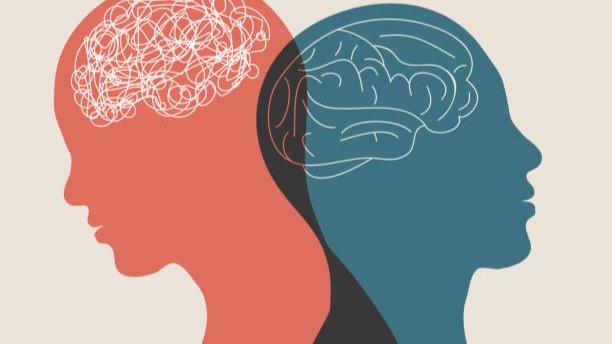
The Shifting Definition of Health: Beyond Utopian Ideals
For decades, the World Health Organization (WHO) has offered a definition of
health that is as aspirational as it is challenging: "a state of complete physical, mental, and social well-being and not merely the absence of disease or infirmity." While noble in its intent, this utopian framing has increasingly faced scrutiny for its impracticality. It inadvertently conflates health with happiness and sets an impossibly high bar, often overlooking the dynamic, resilience-based nature of our biological existence. Modern understanding compels us to move beyond this static ideal and embrace a more realistic, adaptable concept of what it means to be truly healthy.
Beyond Utopian Ideals: A Dynamic Understanding of Health
The contemporary view of
health champions it not as a perfect, unwavering state, but as the biological capacity of an organism to maintain physiological homeostasis, resist infections, and adapt effectively to stressors. This perspective recognizes that life is inherently dynamic; our bodies are constantly navigating challenges, adapting, and recovering. Health, therefore, becomes a measure of our inherent resilience and adaptive mechanisms rather than a static absence of imperfection.
Philosopher Christopher Boorse's biostatistical theory of disease, articulated in 1977, provides a value-neutral framework that aligns with this dynamic view. It posits health as the absence of pathology, defined not by subjective well-being but by empirical deviations from functional norms observed in a species' reference class. In simpler terms, if your body's systems are functioning as they typically should for your species, you are considered healthy, irrespective of external happiness metrics. This objective lens helps us separate disease from the normal variations of human experience, offering a more attainable benchmark for well-being. It acknowledges that one can live with certain conditions or challenges and still be considered healthy in a functional sense, shifting the focus from perfection to optimal performance and adaptability.
The Foundations of Health: Genetics, Lifestyle, and Environment
The tapestry of human
health is woven from a complex interplay of factors. Genetic predispositions lay down a foundational blueprint, influencing susceptibility to certain conditions and shaping our inherent biological capacities. However, these genetic influences are rarely deterministic; they often interact profoundly with behavioral factors and environmental exposures.
Empirical evidence consistently highlights the significant impact of modifiable lifestyle choices. Our daily habits, from what we eat to how much we move, are powerful determinants of our long-term health outcomes.
- Diet: A balanced diet rich in whole foods, vegetables, fruits, lean proteins, and healthy fats is crucial for cellular function, energy, and disease prevention. Conversely, a diet high in processed foods, sugar, and unhealthy fats contributes to inflammation, weight gain, and metabolic disorders.
- Physical Activity: Regular exercise, encompassing both aerobic and strength training, strengthens the cardiovascular system, improves metabolic health, enhances mood, and maintains musculoskeletal integrity. Sedentariness, on the other hand, is a direct driver of various morbidities.
- Avoidance of Toxins: Minimizing exposure to harmful substances like tobacco smoke, excessive alcohol, and environmental pollutants significantly reduces the risk of chronic diseases.
- Sleep: Adequate, quality sleep is fundamental for recovery, hormone regulation, cognitive function, and immune health.
- Stress Management: Chronic stress can have detrimental effects on both physical and mental health, underscoring the importance of mindfulness, relaxation techniques, and strong social connections.
Environmental factors, such as air and water quality, access to nutritious food, and safe living conditions, also play a critical role. Yet, rigorous causal studies continue to affirm that proximal causes like smoking and obesity directly drive morbidity through pathways independent of socioeconomic mediation. This reinforces the idea that while external circumstances matter, individual choices remain incredibly potent in shaping our health trajectories.
A Legacy of Triumph and Modern Challenges
The 20th century marked profound achievements in public health, fundamentally reshaping the human experience of
health and disease. Coordinated interventions, particularly mass vaccination campaigns against scourges like polio and measles, averted millions of cases and deaths, eradicating diseases that once terrorized communities. Sanitation improvements, cleaner water, and the advent of antibiotics dramatically curbed infectious outbreaks that historically caused high mortality. These combined efforts contributed to a near-doubling of life expectancy in many nations, from around 47 years in 1900 to over 76 by century's end, primarily through reductions in child mortality and the burden of infectious diseases. The eradication of smallpox in 1980 stands as a singular triumph of global cooperation, eliminating a virus that had killed hundreds of millions throughout history. To delve deeper into these monumental shifts and current battles, explore
Public Health Triumphs: How We Doubled Life Expectancy & New Fights.
However, the contemporary health landscape reveals new, complex controversies. We are grappling with an epidemic rise in obesity and metabolic disorders, unequivocally linked to processed food consumption and increasingly sedentary lifestyles. This crisis challenges narratives that prioritize systemic inequities above individual behavioral causality, sparking debates about personal responsibility versus environmental influences. Furthermore, questions persist regarding the influence of pharmaceutical industries in defining and treating conditions, with some evidence suggesting the overmedicalization of normal human variations. Despite these debates, empirical data consistently underscores the primacy of modifiable lifestyle factors in preventing chronic diseases like type 2 diabetes, cardiovascular conditions, and certain cancers.
Reclaiming Personal Agency in a Complex Health Landscape
In an era saturated with health information, often tinged with institutional biases, it can be challenging to discern actionable truths. Academia and public agencies sometimes lean towards environmental or systemic explanations, occasionally overshadowing the undeniable impact of individual choices. However, robust causal studies consistently affirm personal agency and biological realism as central to achieving optimal
health outcomes.
While acknowledging that socio-economic factors, access to resources, and environmental conditions undoubtedly play a role, we must empower ourselves with the understanding that our daily decisions hold immense power. This isn't about victim-blaming but about recognizing and harnessing our capacity for self-determination.
Here are practical steps to reclaim personal agency in your health journey:
- Become a Critical Consumer of Information: Don't accept every health claim at face value. Seek out credible, evidence-based sources, and be wary of information driven by sensationalism or clear commercial interests. Prioritize studies that demonstrate clear causal links over mere correlations.
- Focus on Modifiable Lifestyle Factors:
- Nutrition: Prioritize whole, unprocessed foods. Learn to read food labels and understand macronutrients. Small, consistent changes can lead to significant improvements.
- Movement: Integrate regular physical activity into your routine. Even short walks daily can make a difference. Find activities you enjoy to ensure sustainability.
- Mind-Body Connection: Practice stress-reducing techniques like meditation, deep breathing, or spending time in nature. Prioritize quality sleep.
- Advocate for Your Health: Engage actively with your healthcare providers. Ask questions, understand your diagnoses, and participate in decisions about your treatment plan.
- Build a Supportive Environment: While personal choice is key, a supportive home and community environment can make healthy habits easier to maintain. Seek out like-minded individuals or groups.
Understanding the interplay between our choices and our environment is crucial. For a deeper dive into this ongoing debate, check out
Lifestyle or Environment? Decoding Health's True Drivers Today. By focusing on what we can control and making informed, consistent choices, we move closer to a more resilient, functional, and truly healthy existence.
Conclusion
The evolving definition of
health moves us away from a utopian ideal to a more grounded, dynamic, and empowering understanding. It emphasizes our biological capacity to adapt and thrive amidst life's inherent challenges, rather than striving for an unattainable state of perfection. While acknowledging the foundational role of genetics and environmental influences, the modern perspective firmly places significant power in the hands of the individual through modifiable lifestyle choices. By embracing personal agency, cultivating resilience, and making informed decisions about our diet, activity, and overall well-being, we can navigate the complexities of contemporary life and forge a path towards a healthier, more vibrant existence—one defined not by the absence of imperfection, but by the strength of our capacity to live fully.